
Data Analytics and Business Intelligence__
Unlock the power of data to drive informed decision-making, gain valuable insights, and fuel business growth with our data analytics and business intelligence services at Limmati. We offer a comprehensive suite of solutions designed to help businesses harness the full potential of their data, optimize operations, and uncover actionable insights to drive strategic initiatives.

Our Approach__ ++
At Limmati, we believe that data is the cornerstone of informed decision-making and strategic planning. Our approach to data analytics and business intelligence is centered around leveraging advanced analytics techniques, cutting-edge technologies, and industry best practices to turn raw data into actionable insights. Whether you're looking to analyze customer behavior, optimize supply chain operations, or forecast market trends, our team of data experts will work closely with you to develop customized solutions that meet your unique needs and objectives.
Services Offered__

Data Visualization and Dashboards :
We specialize in creating interactive data visualizations and dashboards that transform complex datasets into intuitive and easy-to-understand visual representations. Whether you're looking to track key performance indicators (KPIs), monitor business metrics, or gain real-time insights into your operations, our custom dashboards provide actionable insights at a glance.
Predictive Analytics and Forecasting :
Our predictive analytics services help businesses anticipate future trends, identify opportunities, and mitigate risks. By leveraging statistical modeling, machine learning algorithms, and historical data analysis, we can help you forecast demand, optimize inventory levels, and make data-driven decisions that drive business growth.
Data Warehousing and ETL Solutions :
We design and implement scalable data warehousing and ETL (extract, transform, load) solutions that enable businesses to consolidate, integrate, and analyze data from disparate sources. Whether you're dealing with structured or unstructured data, our solutions ensure data quality, consistency, and accessibility for your analytics initiatives.
Advanced Analytics and Machine Learning :
Our advanced analytics and machine learning services enable businesses to unlock insights hidden within their data. From sentiment analysis and customer segmentation to anomaly detection and predictive modeling, our data scientists leverage cutting-edge techniques and algorithms to extract valuable insights and drive actionable outcomes.

Business Intelligence Consulting :
We provide strategic business intelligence consulting services to help businesses develop data-driven strategies, establish performance metrics, and drive organizational change. Whether you're a small startup or a large enterprise, we'll work closely with you to assess your business needs, define your BI roadmap, and implement solutions that deliver measurable results.
What is Data Analytics and Business Intelligence ?
In today's digital age, businesses are inundated with vast amounts of data generated from various sources such as customer interactions, transactions, social media, and IoT devices. Data analytics and business intelligence (BI) are two interrelated disciplines that help organizations extract actionable insights from this data to drive informed decision-making, optimize operations, and gain a competitive edge in the market.
Data Analytics
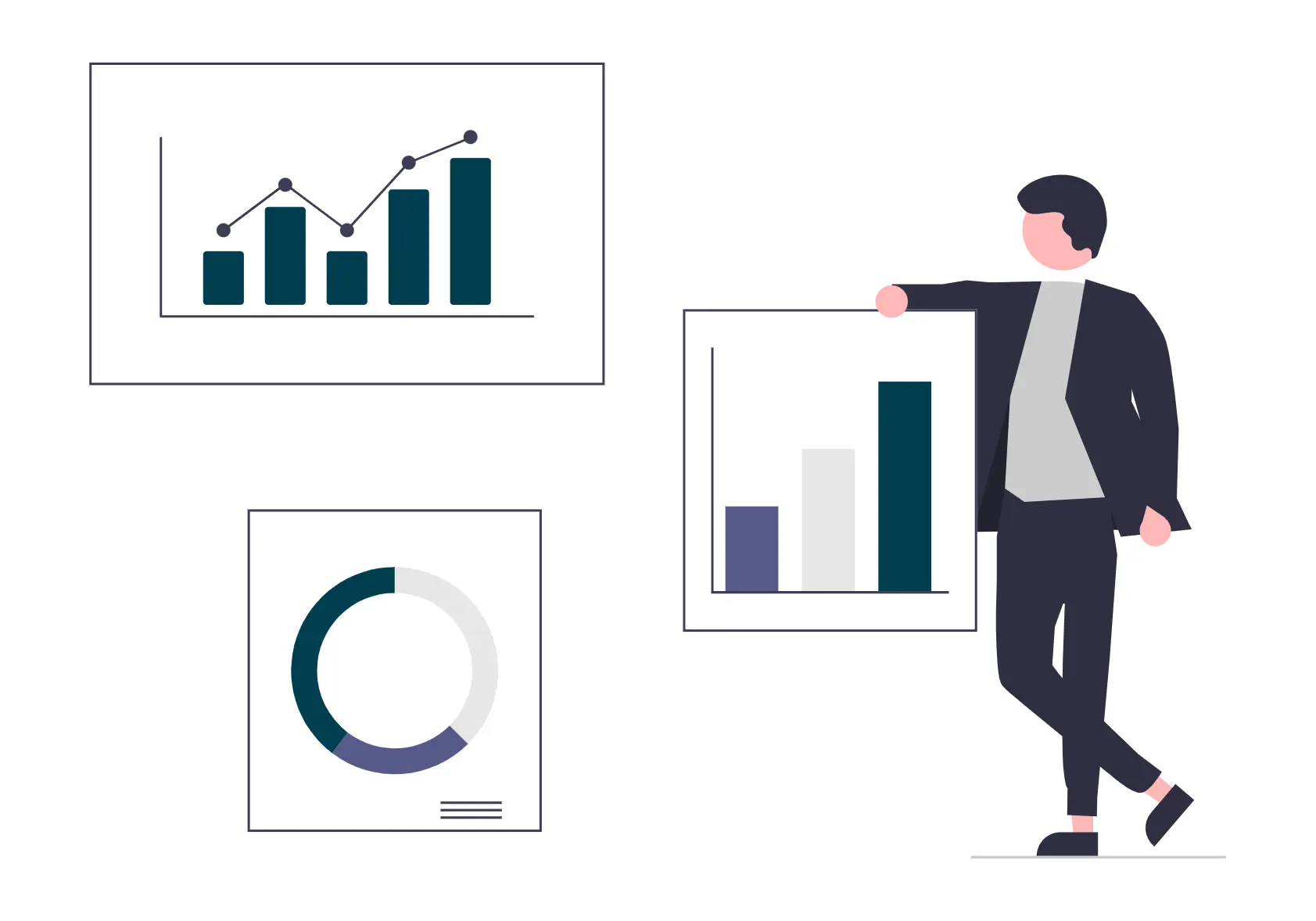
Data analytics is the process of examining large datasets to uncover patterns, trends, correlations, and other valuable insights. It involves the use of statistical techniques, machine learning algorithms, and data visualization tools to analyze data and extract meaningful information. Data analytics can be broadly categorized into three main types:
Descriptive Analytics:
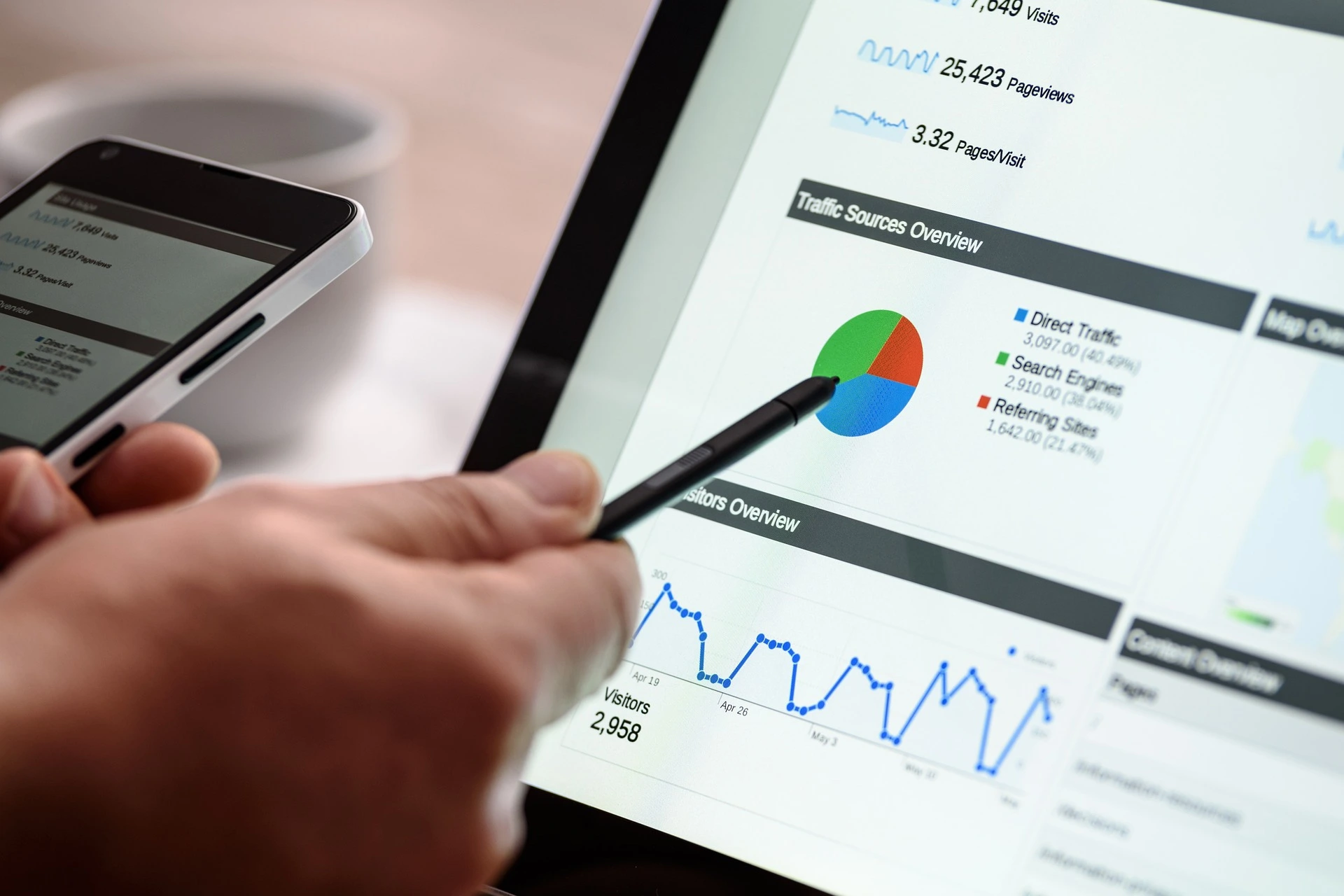
Descriptive analytics focuses on summarizing historical data to understand what has happened in the past. It involves techniques such as data aggregation, reporting, and visualization to provide insights into past performance and trends.

Prescriptive Analytics:
Prescriptive analytics goes beyond descriptive and predictive analytics by recommending actions or strategies to optimize future outcomes. It leverages advanced modeling techniques, optimization algorithms, and decision support systems to provide actionable insights and recommendations for decision-makers.
Predictive Analytics:
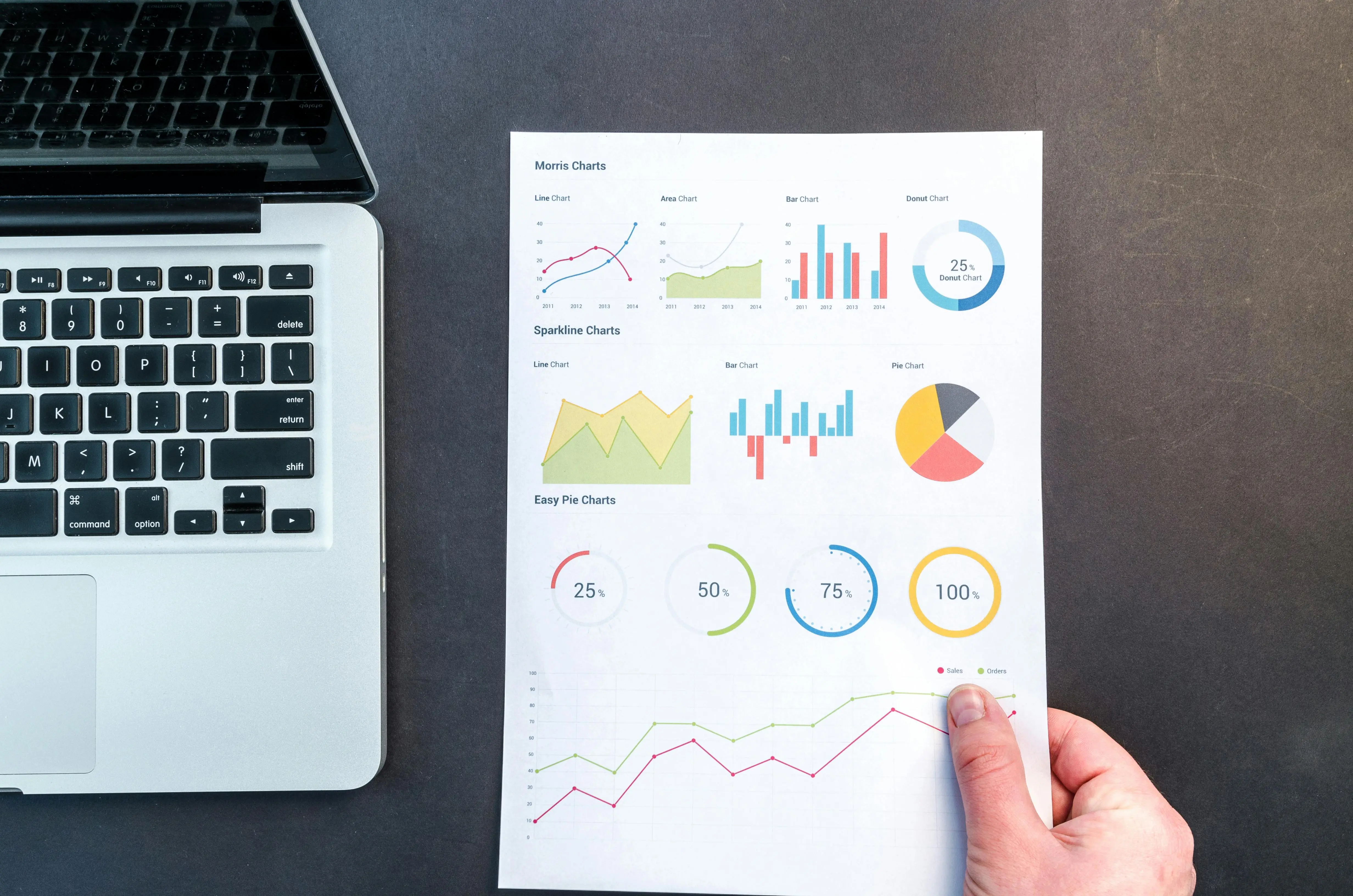
Predictive analytics aims to forecast future outcomes and trends based on historical data and statistical modeling techniques. By analyzing historical patterns and relationships, predictive analytics can help businesses anticipate customer behavior, demand trends, and potential risks or opportunities.
Business Intelligence
Business intelligence (BI) refers to the technologies, processes, and practices used to collect, analyze, and present data to support decision-making and strategic planning . BI encompasses a wide range of activities, including data warehousing, reporting, dashboarding, and ad-hoc querying. Some main key components of business intelligence are:

Data Integration and ETL (Extract, Transform, Load):
Business intelligence begins with the extraction, transformation, and loading of data from various sources into a centralized data repository or data warehouse. This process ensures that data is cleansed, standardized, and structured for analysis.

Data Analysis and Reporting:
Once data is integrated, it can be analyzed and visualized to generate insights and reports. Business intelligence tools provide users with the ability to create interactive dashboards, charts, graphs, and reports to monitor key performance indicators (KPIs) and track business metrics.
Querying and Ad-Hoc Analysis:
Business intelligence tools allow users to perform ad-hoc queries and analyses to explore data and answer specific business questions. Users can drill down into data, filter results, and perform calculations to uncover insights and trends.
Decision Support and Collaboration:
Business intelligence facilitates decision support by providing decision-makers with timely, relevant, and accurate information to support strategic planning and decision-making. BI tools also enable collaboration and data sharing across departments and teams, fostering a data-driven culture within the organization.

Key Benefits of Data Analytics and Business Intelligence__
Informed Decision-Making:
By leveraging data analytics and business intelligence, organizations can make informed, data-driven decisions based on accurate and timely information.
Optimized Operations:
Data analytics and BI enable organizations to identify inefficiencies, streamline processes, and optimize operations to improve productivity and efficiency.
Improved Customer Insights:
By analyzing customer data, organizations can gain valuable insights into customer behavior, preferences, and needs, allowing them to personalize marketing strategies and enhance customer experiences.
Competitive Advantage:
Data-driven organizations are better positioned to identify market trends, capitalize on opportunities, and stay ahead of the competition in today's rapidly changing business landscape.