Cybersecurity in the Age of AI - New Threats and How We Defend Ourselves
The rise of AI-powered cyber threats marks a new era of digital warfare, one where traditional security measures often fall short.
Technology
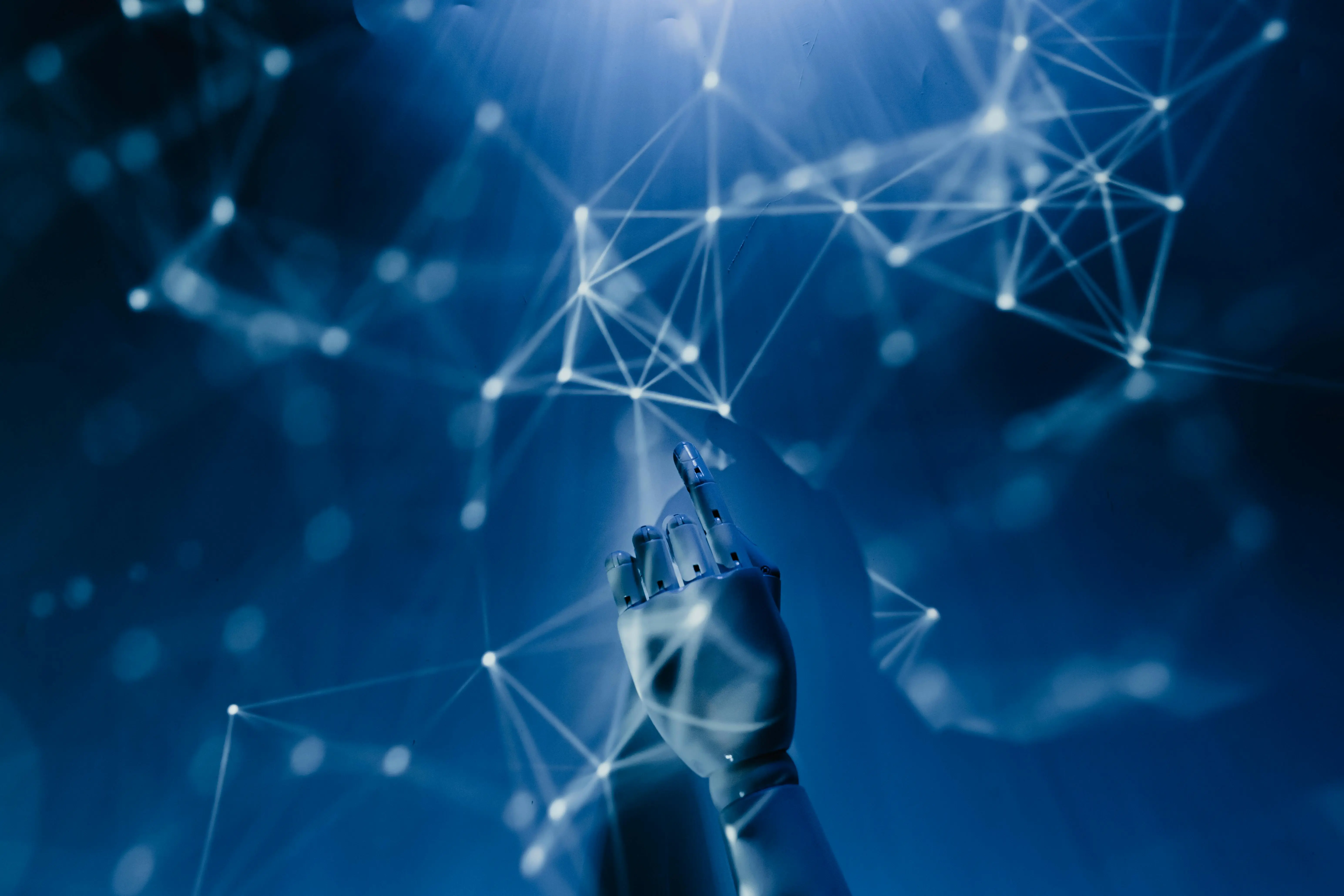
The New AI-Driven Threat Landscape
Cyberattacks are no longer just code-based exploits — they’re intelligent, adaptive, and fast. Here are some emerging threats -
AI-Generated Phishing: Attackers now use generative AI to craft hyper-realistic phishing emails, messages, and even deepfake videos that mimic trusted sources.
Automated Hacking: AI bots can detect vulnerabilities, exploit them instantly, and even patch traces of their intrusion to avoid detection.
Deepfake Scams: Fraudsters create deepfake voices or videos of executives to authorize fake financial transfers or gain access to secure systems.
Data Poisoning: Hackers manipulate training data used in machine learning models to distort AI decision-making — particularly dangerous for finance, healthcare, and autonomous systems.
How AI Is Reinventing Cyber Defense -
Fortunately, AI isn’t just a threat — it’s also the most powerful defense tool we’ve ever built.
Here’s how organizations are using AI to fight back -
Threat Detection & Prediction: AI models analyze billions of network events in real-time to flag unusual behavior long before humans can.
Automated Response Systems: When an attack is detected, AI-powered systems can instantly isolate infected machines and neutralize the threat without waiting for human input.
Behavioral Biometrics: Machine learning can identify users not just by passwords, but by their unique typing rhythm, mouse movement, or voice pattern.
Adaptive Firewalls: These smart systems learn from new attacks and automatically evolve their defense rules.
The Role of Human Expertise
Even with advanced AI defense systems, humans remain the heart of cybersecurity.
AI can detect anomalies — but understanding intent, ethics, and business context still requires human judgment.
That’s why the best cybersecurity strategies combine human intelligence + machine efficiency. ensuring both proactive and ethical decision-making.

Building an AI-Resilient Organization
To defend effectively in this new era -
Invest in AI-Driven Security Tools – Modern SIEM platforms like CrowdStrike, SentinelOne, and Darktrace use AI to detect anomalies.
Train Employees Continuously – Human error still causes most breaches. Regular awareness training helps mitigate phishing and social engineering risks.
Secure AI Models – Protect training data, monitor for bias or manipulation, and audit algorithms regularly.
Adopt a Zero-Trust Framework – Never trust, always verify — every access request must be authenticated and encrypted.
The Future: AI vs AI
The future of cybersecurity is an AI-versus-AI battlefield.
Attackers will continue developing more sophisticated automated systems - but defenders will respond with predictive algorithms that detect and counter threats in real time.
In this race, adaptability is key. Organizations that embrace AI-driven defense early will always have the upper hand.
Conclusion
AI has changed cybersecurity forever - introducing both unprecedented risks and unmatched opportunities. As the digital frontier expands, businesses that balance innovation with vigilance will define the next generation of cyber resilience.
At Limmati, we believe the future of technology must be built on trust, security, and human-centered intelligence - because protecting data means protecting people.
